
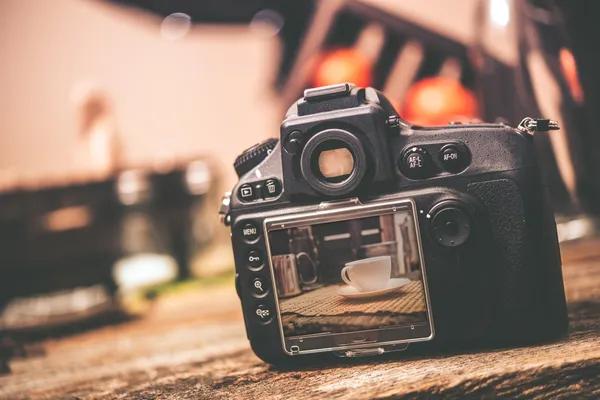
Photographing ceramics in a clay studio presents unique challenges and opportunities, especially when it comes to lighting. Proper lighting techniques are essential to highlight the textures, shapes, and colors of clay pieces, bringing out their artistic qualities while maintaining the natural ambiance of the workspace. Understanding how to manipulate light effectively can transform ordinary shots into compelling images that accurately represent the craftsmanship involved.
Natural light is often the first choice for photographing clay objects. Studios with large windows or skylights provide soft, diffused light that minimizes harsh shadows and highlights subtle surface details. Positioning the subject near a window but avoiding direct sunlight helps maintain even illumination while preserving the delicate nuances of glaze and texture. Using sheer curtains or white reflectors can further soften incoming light, creating an inviting atmosphere without overpowering contrasts.
When natural light is insufficient or inconsistent, artificial lighting becomes necessary. Continuous LED lights are favored for their adjustable intensity and color temperature, allowing photographers to replicate daylight conditions indoors. Placing two lights at 45-degree angles from the subject reduces shadows and emphasizes three-dimensionality without flattening the image. This setup also prevents glare on glossy surfaces by controlling reflections carefully.
For more dramatic effects, side lighting can be employed to accentuate textures such as brush strokes, cracks, or carving marks on pottery. By positioning a single light source parallel to the object’s surface, fine details become pronounced through shadow play. However, this technique requires careful adjustment to avoid overly dark areas that obscure parts of the piece.
Reflectors play a crucial role in balancing exposure within clay studios. White foam boards or silver reflectors bounce back light onto shaded regions of the object, ensuring no part is lost in shadow while maintaining overall contrast levels. Conversely, black cards absorb stray light where necessary to deepen shadows selectively and add depth.
Macro photography studio of intricate details demands specialized lighting considerations as well. Ring lights attached around lenses provide uniform illumination with minimal shadowing in close-up shots of textures or decorative elements on ceramics. Combining ring lights with diffusers softens brightness further and prevents hotspots.
Ultimately, mastering lighting in clay studios involves experimenting with various combinations of natural and artificial sources tailored to individual pieces’ characteristics. Photographers should take time adjusting angles, distances, and intensities to capture both functional form and artistic expression accurately. Proper lighting not only enhances visual appeal but also conveys the tactile experience inherent in handcrafted ceramics effectively through images.
Clay Studios
226 Walnut St, Blacklick, OH 43004
614-507-9560